
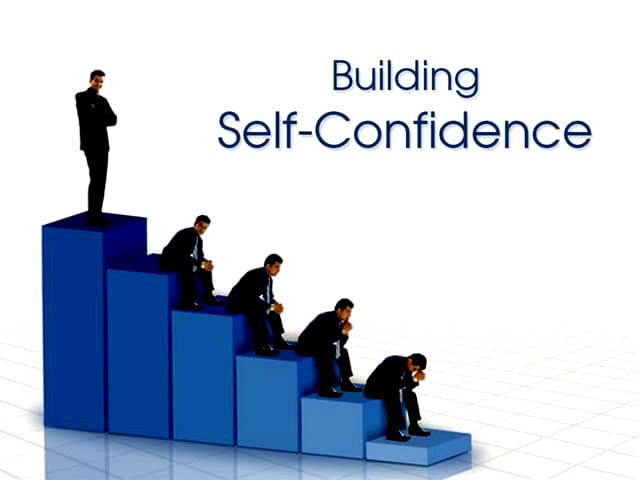
1. How to Build Self-Confidence through Brain Development
Self-confidence is an important and vital emotion that influences the quality of our lives. Developing self-confidence begins with a positive approach to yourself and your abilities. When you believe in yourself and your ability to face challenges, you can grow and develop more.
The mind is a powerful engine that can create profound changes in our lives.
David Cohen – Psychologist and Personal Coach
Our mind is the most important tool in promoting self-confidence. How can we develop our self-confidence through brain development? Here are a few simple tips that can help:
- Practice positive thinking – positive thinking helps you see the world from its best side and cope efficiently with challenges.
- Practice mistakes – mistakes are an inseparable part of the process of development and learning. Learn from them and progress.
- Focus on goals – set clear and sharp goals for yourself and work on achieving them in leaps and bounds.
- Practice meditation and modern training methods – such practices may help relax the mind and improve concentration and memory.
By positively focusing on the process of developing your brain, you can improve your self-confidence and grow as a person. Remember, everyone can change and grow, you just have to want it and work on yourself honestly and persistently.

Breathing and Relaxation Techniques to Reduce Anxiety and Boost Self-Confidence
There are simple techniques that can be used at any time to reduce anxiety and boost self-confidence. Deep breathing technique is one of the simplest and most effective techniques for reducing anxiety levels. Deep and focused breathing helps calm the body and mind and instills a sense of security and inner peace.

You can perform a simple deep breathing exercise as follows: sit in a quiet place, sit comfortably, and close your eyes. Focus on your breathing and start breathing slowly and deeply. Try to direct your attention to your breathing and the lack of discomfort. Deep breathing helps calm the body, so it is recommended to perform this exercise in situations of anxiety or fear.
Another useful technique is muscle relaxation. You can perform this exercise at any time and in any place. Use it when you feel anxious or nervous and try to release tension from your muscles. Sit comfortably and focus on the tense area in your body. Start by separating the muscles and releasing the tension. Muscle relaxation technique helps reduce anxiety and improve your self-confidence.
True security begins within yourself and influences every moment of your life.
Sarah Levi – Health Consultant and Natural Therapist
In conclusion, breathing and relaxation techniques are powerful tools for reducing anxiety and boosting self-confidence. Try to act in accordance with these techniques when feeling anxious and begin to feel a positive change in your self-confidence level.
3. Simple Exercises to Improve Your Relationship with Yourself and Self-Esteem
Unfortunately, most of us experience stress, worries, and fears on a daily basis. How can we cope with all of this and calm our minds? The answer lies in simple exercises that can help us improve our relationship with ourselves and develop self-confidence.
Here are some useful exercises that can help you:
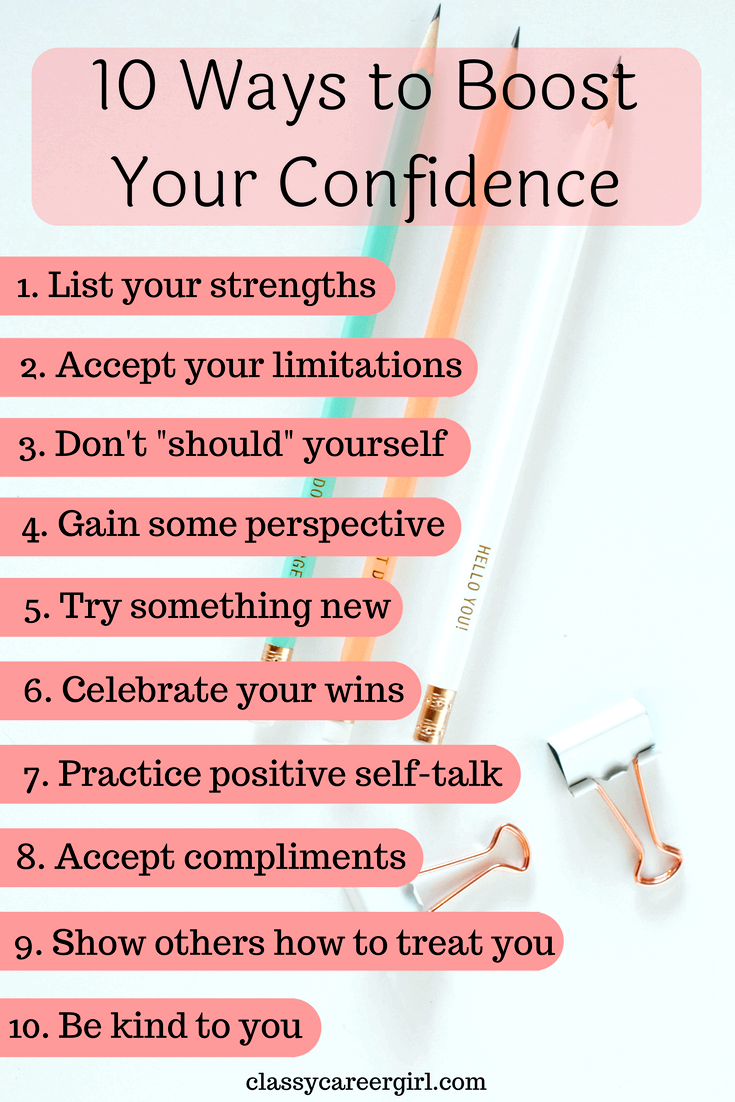
- Deep Breathing: Breathe slowly and deeply to calm the nervous system and reduce levels of stress and worry.
- Meditation Practices: A few minutes of meditation each day can strengthen your relationship with yourself and improve your self-confidence.
- Physical Movement: Physical activity such as physical exercises or dancing can release chemicals in the brain that will improve your emotional state.
- Daily Writing: Write daily thoughts, feelings, and experiences to better understand yourself and strengthen your relationship with yourself.
- Focus on Positivity: It is important to find the positive aspects of our lives and focus on them to strengthen our self-confidence.
These exercises can be very helpful in improving your relationship with yourself and building your self-esteem. Try to incorporate them into your daily routine and feel the improvement in your self-confidence level!
4. Positive Thinking and Changing Self-Perception
Positive thinking is a powerful tool for developing self-confidence. When we focus on the good things in our lives and rise above negative thoughts, we succeed in creating a sense of security and optimism. Positive thinking allows us to see the world from a different perspective, with a perception of self-capability and joy. When we look at ourselves with a positive consciousness, we begin to believe in our ability to cope with challenges and progress in life.
Positive change begins with positive thinking and trust in the power of your mind.
Yael Cohen – Spiritual Guide and Lecturer
Changing self-perception begins with understanding our abilities and recognizing our high ability to influence the reality around us. When we understand that we have great internal power, we can develop courage and self-confidence. Positive thinking and changing self-perception are valuable tools that can help us cope with challenges and succeed in life.
In order to develop self-confidence and change self-perception, it is important to focus on positivity, deal with positive goals and results, and overcome feelings of fear and worry. Making changes in thinking and self-perception requires perseverance and effort, but the results obtained are worth all the effort required.
5. Training Programs and Physical Activities to Strengthen the Brain and Self-Confidence Feeling
Physical training and physical activity are an integral part of the brain strengthening process and the feeling of self-confidence. With personalized training programs, you can improve brain function, enhance concentration and memory, and raise your self-confidence level.
Choosing the right training programs and physical activities can lead to a noticeable improvement in your mental and emotional abilities. Physical exercises such as running, swimming, basketball, or any other type of physical activity can reduce anxiety levels and enhance your self-confidence.
In order to get the most out of physical training, it is important to plan the activities consciously and focus on training programs that suit your personal needs. You can consult with a personal trainer or a specialist in the field of sports and fitness for guidance and a tailored training program.
Alongside physical training, it is also important to focus on a healthy diet and prevent stress and anxiety. A balanced diet will improve brain activity and help you feel better about yourself.
At the end of the day, it’s time to consider physical training as part of your daily routine. Maintained training programs and physical activity can improve your mental and physical health and strengthen your self-confidence feeling.